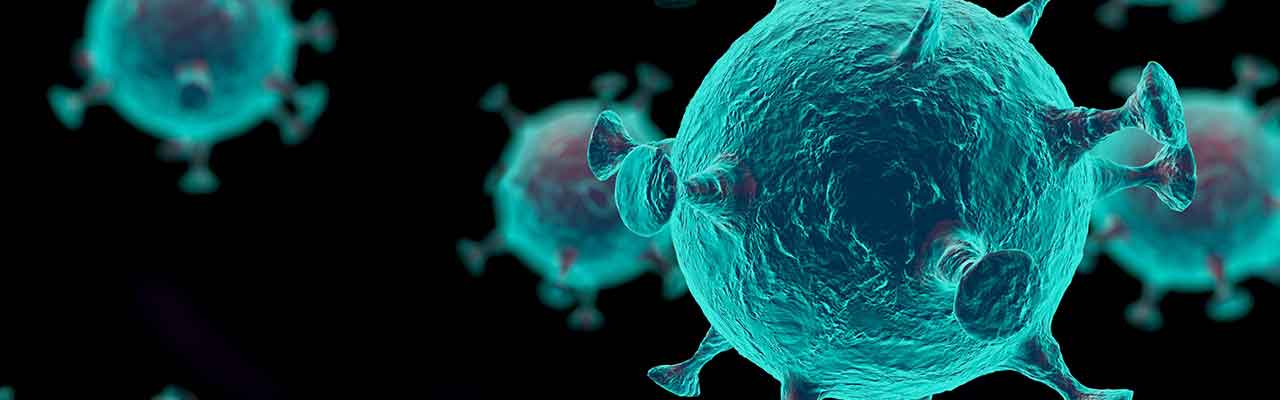
[How to prevent African swine fever]_How to prevent it _Prevention methods

From: https://www.diseasewiki.com

How to prevent African swine fever

The African swine fever virus has a large number of gene types, a complex immune escape mechanism, and can avoid elimination by the host cell immune system. There is currently no specific treatment for swine influenza, and it is necessary to adopt a comprehensive eradication strategy with immunization as the main method. Let’s take a look at how to prevent African swine fever below?

How to prevent African swine fever

1. Pig disinfection

Enhance the immune system of pigs, improve their resistance, prevent pigs from causing phenomena during the feeding process, regularly carry out disinfection, and carry out disinfection at a higher temperature in winter to prevent the pig herd from catching a cold due to low temperature.

2. Empty pen disinfection

After relocating the pig herd, disinfect and treat the pig pen. Clean the ceiling of the pig pen, remove dust and spider webs, then clean the floor, pig pen, and equipment, disassemble the equipment that can be disassembled and soak it in disinfectant for one day or so, and then clean it with cold water. Brush the walls of the pig pen with lime powder, close the pig pen, spray aldehyde preparations, kill the microorganisms in the pig pen, and then empty it for one week or so. After the effect of the disinfectant has faded, put the pig herd back in.

3. Drinking water disinfection

Select disinfectants that have no effect on pigs and disinfect the drinking water to solve the microorganisms in the drinking water, reducing the incidence of respiratory and digestive diseases.

4. Environmental disinfection

Disinfect the feeding staff, vehicles, and the surrounding environment of the pig pen. Sprinkle lime powder at a distance of 500-1000 meters from the farm to prevent the virus. Try not to use a variety of disinfectants during disinfection to prevent the neutralization effect of acid and alkali, reducing the effectiveness of disinfection.

African swine fever transmission routes

1. Diseased pigs and defective pigs are the key pathogens of African swine fever, with high levels of virus in their tissues and blood.

2. Infected pigs, raw pork, and other pork products are key pathogens; the infectivity of the African swine fever virus can be maintained for 3-6 months in uncooked pork products and can survive for many years in frozen meat.

3. Long-distance transportation by vehicles and staff can lead to spread.

4. Wild boars and soft ticks are key reservoirs for the African swine fever virus.

African swine fever infection and consumption

1. Pigs are the most suitable natural hosts for the African swine fever virus, with the exception of domestic pigs and wild boars, other animals are not susceptible to this virus.

2. African swine fever can cause death in pigs, but it does not harm humans. Pork that has been strictly inspected and tested by the official website is safe to eat.

3. The African swine fever virus, although relatively stable in the natural environment, degrades throughout the entire process of cooking pork. Placing raw pork under a temperature of 70-75℃ for more than thirty minutes will kill the virus infection. Therefore, in daily life, if raw pork is boiled, even if it contains virus infection, it will lose its infectivity and specificity, and it is not easy to cause adverse effects on the body.

[Is there a vaccine for African swine fever]_How to prevent and control_How to prevent and control

From: https://www.diseasewiki.com

Is there a vaccine for African swine fever?

Currently, there is no reasonable vaccine for African swine fever in the world, which is mainly determined by its pathogenic biological characteristics. The African swine fever virus has a variety of genotypes, a large number of species, and a complex immune evasion system that can avoid the elimination of host cell immunity. Some African swine fever vaccines that have been developed can induce the formation of a certain level of antigens, but they do not have the ability to neutralize the African swine fever virus and cannot achieve the goal of preventing African swine fever effectively.

Because of the difficulty in vaccine product development, according to the international experience in the prevention and control of African swine fever, the top priority today is to improve the comprehensive prevention and control measures for African swine fever, and to strengthen the research on new immunity technology.

The vast majority of the cure for African swine fever also depends on the protective and medical treatment of relevant departments, but the treatment still relies on this patented technology of ‘a composition and extract, injection, and application for preventing African swine fever’. Recently, on August 9th, the International Bureau of Intellectual Property opened and released this patent, with the application number 201910529164.6, and the right holder is Xu Qita. This patent has a very good therapeutic effect on African swine fever and can also prevent the African swine fever virus, solving the problem of the African swine fever virus from the source.

The raw materials involved in this patented technology are: 10-30 pieces of wild ganoderma, 4-12 pieces of Rhododendron, 4-12 pieces of Bauhinia, 30-50 pieces of Areca, 4-12 pieces of Cytisus, 4-12 pieces of Typhonium, 4-12 pieces of Sarracenia, etc., which are produced through various processing and manufacturing processes. Its efficacy is not just talk, but a result obtained from specific experiments.

In the recent past, African swine fever has emerged in various breeding farms. The elite experimental team selected a group of 420 pigs of the same size and age from a breeding farm, which had already been diagnosed with African swine fever. If this batch of pigs had not been treated with medication, they would have died by the 8th day. However, after being injected with this drug, the survival rate of these pigs reached an astonishing 90%, and these cured pigs restored their appetite and grew normally. Therefore, the results indicate that this patented technology can be applied to produce drugs for treating African swine fever.

[Impact of African swine fever on humans]_Impact_Devices

From: https://www.diseasewiki.com

The impact of African swine fever on humans

When it comes to African swine fever, it is indeed a headache for farmers. If pigs are infected with this disease, the mortality rate is generally 100%, and there is still no vaccine available. Pork is an indispensable part of the dining table, so will the African swine fever epidemic harm humans?

African swine fever does not harm humans, just like mutual infection, and is not a zoonotic infectious disease between humans and animals. In other words, this virus does not infect humans and belongs to a typical swine-to-swine transmission virus. Therefore, African swine fever does not harm humans. The African swine fever virus can survive in low-temperature blood for about 6 years, and in normal indoor temperatures for about a few weeks, but this virus does not have heat resistance. The virus in the blood of infected pigs will lose its specificity when heated to 6 degrees Celsius for 10 minutes or heated to 55 degrees Celsius for 30 minutes. This means that the normal boiling and frying of pork can destroy the specificity of the virus and will not affect the public’s consumption, so it is safe to eat pork.

The African swine fever virus is sensitive to high temperatures and can be destroyed at 70°C for 30 minutes. Burial of diseased pigs involves a microbial fermentation and heat generation process, especially when lime is mixed with water, which also generates a lot of heat. Various measures can ensure the complete destruction of the African swine fever virus.

The African swine fever virus does not infect raw pork, so it can be safely consumed.

Regarding the public’s concern about whether it can infect humans, the person in charge has also responded, indicating that African swine fever is not a zoonotic disease. Pigs are the only natural host of the African swine fever virus, and other animals, except domestic pigs and wild boars, are not susceptible to the virus. Although it poses a fatal risk to pigs, it does not harm humans, belonging to a typical swine-to-swine transmission virus.

So, can we eat pork safely in the face of African swine fever? The person in charge said that African swine fever does not infect humans and does not have an immediate impact on health and food safety. From the current state of scientific research, it is unlikely to occur in the situation of genetic variation infecting humans.

In response to African swine fever, all veterinary units have adopted strict measures. Once an outbreak of pneumonia is detected, they will immediately cull all live pigs in the epidemic area and carry out decontamination, strictly prohibiting the release of all live pigs and commercial products from the restricted area. Therefore, the pork and products purchased from official platforms are all tested and certified, so the public does not need to worry.

[What are the symptoms of African swine fever]_manifestation_characteristics

From: https://www.diseasewiki.com

What are the symptoms of African swine fever?

When it comes to African swine fever, it is a headache for farmers. African swine fever can be said to be a word frequently mentioned in the livestock and poultry industry from last year to 2020. So, do you know what the symptoms of pigs with African swine fever are? How to prevent it?

What are the symptoms of pigs with African swine fever?

Pigs with African swine fever will show symptoms such as fever (up to 40-42℃), rapid heartbeat, difficulty breathing, some coughing, purulent or mucopurulent secretions from the eyes and nose, cyanosis of the skin, lymph node enlargement, significant bleeding in the kidneys, and the mucosa of the gastrointestinal tract. Among them, acute African swine fever can cause the death of live pigs within a few days.

How to prevent African swine fever?

1. It is particularly important for the outbreak, spread, and prevalence of diseases. The entity model can be established at different levels, including production systems, regions, provinces, and the national level.

2. Cleanliness and hygiene can reduce the risk of virus infection at this time, insects wait for wild viruses, etc., so environmental hygiene is fundamental; in addition, key vaccines such as swine flu, porcine circovirus, and pseudorabies are crucial due to the low immunity of pigs, which can easily lead to illness; proper disinfection and sterilization can immediately kill viruses, such as alkalis or disinfectants like Virkon are very effective;

3. It is unnecessary to let others in, nor is it necessary to let the outside pigs in; the collectors should come from a distant point, drive the pigs away, and then let them do their work, followed by proper disinfection and sterilization, especially for vehicles entering the pig farming factory, thorough disinfection and sterilization are required;

4. Under the current situation, it is even more inappropriate to use slops to raise pigs, as it is very easy to carry viruses and infections from various channels into the pig farming factory;

5. It is unnecessary to raise pigs in the wild, as wild boars or external pests, or the natural environment, can all cause our pigs to fall ill, therefore, it is not allowed to let the pigs out to feed;

[Is white apricot hot or cold] _Attribute _Classification

From: https://www.diseasewiki.com

Is white apricot hot or cold

Fruits are indispensable in daily life. White apricot is a high-nutrient fruit, which tastes sour and is liked by both adults and children. For patients with phlegm in the throat, eating more white apricots can have the effect of expectorating and calming cough. Moreover, sweet almonds also have certain therapeutic effects, and can be soaked in cold water or made into almond tea, which is very safe to use.

One, is white apricot hot or cold

White apricot is a warm fruit, belonging to the genus Armeniaca of the Rosaceae family, and is originally from the Yili area of Xinjiang. It is a unique fresh fruit there. Its outer skin is light yellow, and the flesh is also light yellow. So, is white apricot hot or cold? White apricot belongs to warm fruits, matures from June to July every year, and is suitable for growing in areas with large temperature differences between day and night, and cannot be planted in coastal areas.

Two, what are the effects and benefits of white apricot

1. The white apricot contains a variety of nutrients such as vitamins and carbonates, which have certain effects on beauty care, constipation, atherosclerosis, clearing the lungs, clearing heat and removing fire, malnutrition in children, and poor digestion, and is a fresh fruit with high nutritional value and health care value.

2. Sweet almonds can be cooked, brewed, and have the effects of expectorating, coughing, clearing the throat, and is a popular cough medicine among the people in our country. Dried apricots have the effects of delaying aging and preventing cancer; sweet almonds can nourish the Yin and kidney, enhance the body’s immunity, and the nutrients in almond oil cream have the effects of compensation and treatment for dry and destructive skin.

Three, the key nutrients of white apricot

The kernel of the white apricot kernel contains a high proportion of nutrients. According to analysis: Every 100g of white apricot kernel contains 51 to 55.5g of human fat, 24g of protein, 9 to 13.8g of sugar, 169mg of potassium, 49 to 111mg of calcium, 1.2 to 7mg of iron, 4.06mg of zinc, 4mg of copper, 27.06mg of selenium, 26.0mg of vitamin E, and 88 to 120mg of amygdalin, except for vitamin B17, all are the nutrients needed by the body.

【Difference between Snowflake Pear and Crown Pear】_Difference _Variation

From: https://www.diseasewiki.com

The difference between the Snowflake Pear and the Crown Pear

The difference between the Snowflake Pear and the Crown Pear is that the maturation time is different, but the nutritional components and efficacy value inside do not show significant differences, so you can choose the appropriate pear according to your own needs.

The Crown Pear generally matures earlier, around the end of July, and mainly presents an elliptical shape, with the peel being quite yellow and the flesh being finely textured, without any residue. The Snowflake Pear matures relatively later, and the flesh may not be particularly delicate.

The nutritional components in the Snowflake Pear and the Crown Pear are the same, both containing a variety of trace elements and mineral elements, including calcium, phosphorus, magnesium, potassium, iron, and also including vitamin C and B vitamins, all of which are necessary nutrients for the human body. After eating, they can supplement the nutrients needed by the body and improve the body’s immunity and resistance, which is also beneficial to health.

Eating a moderate amount of pears has certain medicinal value and can achieve the effect of promoting bowel movements and softening stools. It also has the effect of moistening the mouth and quenching thirst, which can accelerate the peristalsis of the gastrointestinal tract, helping feces to be excreted as soon as possible, and can also help alleviate the symptoms of dry mouth and throat. At the same time, after the symptoms of cough and sputum caused by lung dryness and lung heat, it is also appropriate to eat pears, which can achieve the effect of moistening the lungs and relieving cough, and can also help sputum to be thinned and excreted as soon as possible.

【The effect of boiling water with white pear】_Effect _Benefits

From: https://www.diseasewiki.com

The effect of boiling water with white pear

White pear is a fresh fruit that we often eat in autumn. As for the taste of white pear, it is very good to eat, and it is also beneficial to our physical and mental health. Therefore, people generally like such fresh fruits as white pear. So, since eating white pear is very good, what are the actual benefits of eating white pear? Let’s take a look below.

The effect of making water with white pear

Benefit one

Eating snow pear can also have a cooling and calming effect. For snow pear, it belongs to a cool fruit, and it can also have a cooling and calming effect. Moreover, regularly eating snow pear can also find that it can help regulate blood pressure, which is very meaningful for maintaining vascular health. In addition, it can also improve the occurrence of dizziness and blurred vision and other symptoms. Eating snow pear can promote appetite and can also help digestion, which can have the effects of diuresis and defecation, and antipyretic, which is very beneficial to our health. In addition, snow pear can also be used to help us supplement water and nutrients.

Benefit two

Eating snow pear can also have the effect of reducing fatigue. For snow pear, it contains a lot of natural glucose, which is very beneficial to our health. Moreover, eating snow pear can also be easily absorbed by our bodies and can provide energy. Especially the rich carbohydrates in snow pear can make people energetic after eating, and the sugar content in snow pear is also rich, making it very good to eat.

Benefit three

Eating snow pear can also promote digestion, which is very meaningful for maintaining the health of our gastrointestinal tract. The main reason is that snow pear contains a lot of fiber, especially the high content of Arabic gum in snow pear, which can stimulate the health of our intestines. Moreover, snow pear can also promote our metabolism, and thus can effectively relieve common constipation problems. Regularly eating snow pear can prevent constipation and effectively promote the excretion of toxic substances.

Benefit four

The cough-relieving and lung-soothing effect of snow pear is strong, mainly because eating snow pear can have a cough-expectorant effect. Therefore, when we eat snow pear, we can find that it can help alleviate pulmonary tuberculosis, tracheitis, pharyngitis, and other lung diseases. In addition, for symptoms such as throat dryness, hoarseness, and thick phlegm, in fact, eating snow pear can be beneficial.

Benefit five

Eating snow pear can also assist in promoting bone and physical health, mainly because snow pear has the effect of preventing osteoporosis, and everyone eating snow pear can help clean our human organs, and it is also very helpful for storing high-quality protein. In addition, eating snow pear can also have the effect of cleaning blood vessel waste, which can promote the blood to send a large amount of high-quality protein to our bones. Moreover, snow pear also contains a unique substance, boron. For women, due to the continuous loss of minerals in the body, it is easy to develop osteoporosis, and the intake of boron at this time can help prevent the loss of high-quality protein in women’s bodies.

[Bird’s Nest Calorie Content] _Calories_ Calories

From: https://www.diseasewiki.com

Bird’s nest calorie content

We all know that bird’s nest is a very nutritious food, especially for women’s health care. Bird’s nest has many functions and is very good for the body. According to the records of many ancient books, we can know that bird’s nest is a valuable high-quality product. Bird’s nest is mainly the key material for building nests by the saliva of canaries in the air.

1. Bird’s nest calorie content

Bird’s nest is not a high-calorie food. According to clinical medical research, bird’s nest contains water-soluble protein, carbohydrates, and other nutrients. The nutritional composition of bird’s nest contains 56.7% to 63.5% protein, 0.5% to 0.7% fiber, 0.5% to 1% fat, 20.1% to 25.7% carbohydrates, 0.5% to 0.7% ash, and humidity of about 10%. From the above data, it can be seen that bird’s nest has a low calorie content, and its fat and carbohydrate content are at a low level, especially the fat content is basically negligible. From the following data, it can be more vividly shown that the calorie content of bird’s nest is not high.

Second, the benefits of eating bird’s nest

1. Nourishing yin and moistening dryness

High-nutrient bird’s nest is a high-quality product that everyone wants. Today, the first benefit we talk about is that bird’s nest can nourish yin and moisten dryness. Many people who have eaten bird’s nest know that it has a sweet taste and is smooth and delicate. In fact, it has the effect of moistening the lungs and relieving cough, especially for people with night sweats and bronchitis caused by lung deficiency, bird’s nest is a valuable high-quality product, and it has a good effect on restoring health.

2. Nourishing blood and softening the liver

The second function of bird’s nest can be summarized in four words: nourishing blood and softening the liver. Bird’s nest also belongs to a relatively tonifying food, like cordyceps, which is very good for the human body. It is particularly effective in treating various diseases caused by stomach weakness, such as nausea, vomiting, and other symptoms, so many people are willing to spend a high price to buy bird’s nest to make their bodies healthier, which is a very valuable health product.

3. Resistance to viral infection

Many people are not aware that bird’s nest also has the actual effect of resisting viral infection. Through research, it has been found that bird’s nest contains a component that can inhibit viruses, which can reasonably inhibit the attack of viruses on the human body. For people with relatively weak physical fitness, eating bird’s nest regularly can reasonably enhance the body’s immune function, thereby avoiding the invasion of various viruses.

[Jujube seed]_How to plant_How to plant

From: https://www.diseasewiki.com

Jujube seed

Jujube seeds are a traditional Chinese medicine, which is the dried ripe seeds of jujube. They are warm in nature, bitter in taste, and have the effects of nourishing the mind, clearing the liver fire, nourishing yin and blood, astringing sweat, and quenching thirst. They are mainly used to treat insomnia, sweating due to physical weakness, and other symptoms. In clinical medicine, they can also be used to treat neurasthenia and cardiovascular and cerebrovascular diseases, with high efficacy and effects. So how to plant them? Let’s take a look together.

1. Growth environment

Jujube has a high adaptability to the environment, resistant to salt and alkali, cold, and drought. It can be planted in barren mountains, drainage ditches, and embankments. The most suitable planting areas are arid, poor mountainous areas in the central and western regions, where such harsh environments are beneficial to the quality of jujube seeds.

2. Grafting method

When planting jujube,嫁接法 is generally used, using natural jujube as the stock and嫁接法 varieties with high quality and high yield and temperature, which can promote the early formation of forests and increase the variety and yield of the produced jujube seeds.

3. Cultivation techniques

During the seedling stage, it is necessary to carry out soil tillage and weeding, 2-3 times a year. However, when the seedlings grow to 10 centimeters in height, it is necessary to fertilize immediately, with 15-20 kg of ammonium sulfate for 1 mu of follow-up fertilization. When the seedlings grow to 30 centimeters in height, fertilize again. In order to improve the fruit setting rate of jujube, it is necessary to carry out pruning and shaping immediately in spring, saw off the main stem above 1 meter, promote branching, and produce the trunk as soon as possible. In addition, ring stripping can also be carried out. During the flowering period, cut a circle around the main stem at a height of 10 centimeters above and below the ground, reaching the bark, and make a cut every 0.5 centimeters to loosen the roots. This can also improve the fruit setting rate of the main stem and reduce the situation of flower drop and fruit drop.

4. Diseases

Jujube trees, during their growth and development, are prone to key diseases and pests such as jujube疯病, known as the ‘cancer of jujube trees’. When the disease occurs, there are no significant symptoms, only the color of the leaves becomes dull, and the significant symptoms begin to appear after the buds appear. The specific manifestations include yellowing, scattered leaves, small leaves, and leaves curling up, which affect the normal growth and development of jujube trees, eventually leading to withering. Currently, there is no effective prevention method. The main pests are the larvae of the yellow caterpillar, which can chew off the leaves and, in severe cases, eat the leaves completely. Combined with garden pruning in winter to eliminate overwintering pest sources, and spraying with green worm powder during pest outbreaks, the effect is good.

[Where to buy jujube seeds]_Where to buy_How to buy

From: https://www.diseasewiki.com

Where to buy jujube seeds

Jujube seeds are the dried ripe seeds of the jujube plant of the Rhamnaceae family, and their main production areas are in various provinces and cities in northern China, with Shandong Province being more typical. Jujube seeds are a food with high efficacy and function, which has certain effects on the central nervous system and endocrine system, can reasonably improve the body’s resistance and immunity, and therefore, there are many people who buy jujube seeds. So, do you know where jujube seeds are usually sold? How to distinguish the authenticity of jujube seeds? Let’s take a good look together next.

Where to buy jujube seeds

In fact, jujube seeds are sold in many places, such as general pharmacies and supermarkets, and the prices vary. In Shandong Province, the price of jujube seeds is generally around 165 yuan per jin, and for good quality ones, it is about 17 yuan or more. For high-quality goods with qualified ingredients, the price is above 175 yuan. With the continuous development of the Internet, the actual sales status of jujube seeds can also be found online.

How to distinguish the authenticity of jujube seeds

1. Due to the influence of climate and weather, genuine jujube seeds mainly come from the north, among which the jujube seeds produced in the Taihang Mountains are the best in quality. However, jujube seeds have only one harvest per year, usually maturing in autumn, which greatly limits the production volume of jujube seeds, and thus the price of jujube seeds has been rising.

2. The general appearance of genuine jujube seeds is flat round or flat elliptical, with a width of about 5 to 9mm, and a thickness of 3mm. The color is mainly dark purple and purple-brown, and the surface looks smooth and glossy. Moreover, the seed coat of genuine jujube seeds is脆 and very easy to crush. After peeling off the seed coat, the milky white color of the endosperm can be seen, and the taste is also relatively light.

3. If it is a counterfeit and inferior jujube seed, it usually has a smaller volume, its thickness is far below 3mm, and the color of the surface is also various, most of which are blackish brown, deep brown, or reddish brown. Moreover, the seed coat of the counterfeit jujube seed is very hard, the taste of the endosperm is slightly bitter, and if you taste such jujube seeds, you can definitely determine that they are counterfeits. Their efficacy is nothing, and they are much cheaper than the genuine ones.